
Keto Vs Paleo For Inflammation: Powerful Healthy Guide
Keto vs paleo for inflammation explained simply. Learn which diet may reduce pain, support gut health, and improve energy naturally.
Keto and paleo can both help reduce inflammation, but they work differently. Keto lowers inflammation by cutting carbs and stabilizing blood sugar, while paleo focuses on whole foods and removing processed ingredients. The best option depends on your body, lifestyle, and long-term health goals.
Keto Vs Paleo For Inflammation 🥑🔥
Have you ever wondered why some people feel amazing on keto while others swear paleo changed their lives? 🤔 If inflammation is making you tired, bloated, achy, or foggy, the foods you eat every day could be the missing piece.
Both keto and paleo are popular anti-inflammatory diets. They remove many processed foods linked to chronic inflammation. Still, they are not the same. One is high-fat and low-carb. The other is based on eating foods our ancestors may have eaten.
If your goal is to reduce inflammation naturally, improve digestion, and feel more energetic, understanding the difference matters. Let’s break it all down in simple terms.
What Is Inflammation And Why Does It Matter? 🔥
Inflammation is your body’s natural defense system. When you get hurt or sick, your immune system creates inflammation to protect you. Short-term inflammation is normal and healthy. The problem starts when inflammation becomes chronic.
Chronic inflammation can quietly damage your body over time. It is linked to joint pain, autoimmune conditions, heart disease, obesity, and digestive issues. Many people also notice fatigue, headaches, skin problems, and brain fog.
Food plays a huge role in inflammation levels. Highly processed foods, excess sugar, and refined oils can trigger inflammatory responses. That is why anti-inflammatory diets like keto and paleo have become so popular.
“Your daily food choices can either fight inflammation or fuel it.”
What Is The Keto Diet? 🥓
The keto diet is a very low-carb, high-fat eating plan. The goal is to push your body into a metabolic state called ketosis. In ketosis, your body burns fat instead of carbohydrates for fuel.
Most keto diets limit carbs to around 20 to 50 grams per day. This means foods like bread, pasta, rice, and sugar are heavily restricted. Instead, people eat foods rich in healthy fats and moderate protein.
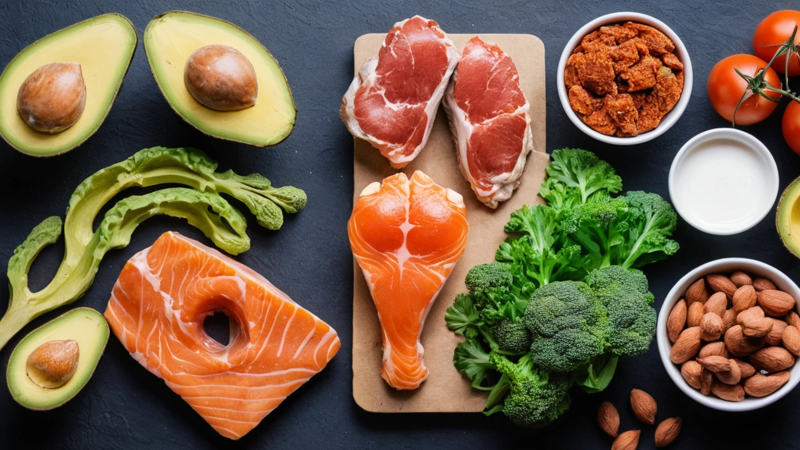
Common keto foods include:
- Eggs
- Avocados
- Cheese
- Fatty fish
- Nuts and seeds
- Olive oil
- Meat and poultry
Many people choose keto for weight loss, but inflammation control is another major reason. Stable blood sugar levels may reduce inflammatory markers in the body.
What Is The Paleo Diet? 🍖
The paleo diet focuses on eating whole, unprocessed foods. It is inspired by foods believed to be available during the Paleolithic era. Paleo avoids modern processed foods and encourages nutrient-dense meals.
Unlike keto, paleo does not require strict carb counting. You can still eat fruits, sweet potatoes, and other natural carbohydrate sources. The focus is food quality rather than ketosis.
Foods commonly eaten on paleo include:
- Grass-fed meat
- Fruits
- Vegetables
- Nuts
- Seeds
- Seafood
- Healthy oils
Paleo removes foods that may contribute to inflammation, including refined sugar, processed snacks, and artificial ingredients. Many people also report better digestion and improved gut health.
How Keto Helps Reduce Inflammation ⚡
Keto may reduce inflammation by lowering blood sugar and insulin levels. High blood sugar often increases inflammatory stress inside the body. Keto helps stabilize these levels.
Ketones may also have anti-inflammatory effects. One ketone called beta-hydroxybutyrate may help block inflammatory pathways. This is one reason researchers continue studying keto for neurological conditions.
Another benefit is weight loss. Excess body fat can produce inflammatory chemicals. Losing weight through keto may reduce that burden on the body.
Here is a quick look at keto’s anti-inflammatory benefits:
| Keto Benefit | How It Helps Inflammation |
| Lower Blood Sugar | Reduces inflammatory spikes |
| Ketosis | Produces anti-inflammatory ketones |
| Weight Loss | Decreases fat-related inflammation |
| Reduced Sugar Intake | Cuts inflammatory processed foods |
Still, not every keto diet is healthy. Eating processed meats and unhealthy fats may increase inflammation instead of lowering it.
How Paleo Helps Reduce Inflammation 🌿
Paleo focuses heavily on food quality. This can make a major difference in inflammation levels. Whole foods provide vitamins, minerals, fiber, and antioxidants that support the immune system.
The paleo diet removes many common inflammatory triggers. These include processed snacks, refined sugar, trans fats, and artificial additives. Many people also avoid dairy and grains on paleo.
Gut health is another important factor. Paleo encourages fiber-rich vegetables and natural foods that support healthy digestion. Since gut health and inflammation are closely connected, this can be beneficial.
People following paleo often report:
- Better digestion
- Less bloating
- Improved skin
- More stable energy
- Reduced joint pain
Keto Vs Paleo: The Biggest Differences 🥑🍠
Keto and paleo overlap in many ways, but their core goals differ. Keto is mainly about controlling carbs and achieving ketosis. Paleo focuses more on eating natural foods.
Here’s a simple comparison:
| Feature | Keto | Paleo |
| Main Goal | Ketosis | Whole-food eating |
| Carb Intake | Very low | Moderate |
| Dairy Allowed | Often yes | Usually no |
| Fruit Intake | Limited | Allowed |
| Processed Keto Foods | Sometimes allowed | Avoided |
| Focus | Macros | Food quality |
This difference matters for inflammation. A clean keto diet may reduce inflammation effectively. However, a poorly planned keto diet may lack nutrients and fiber.
Paleo tends to be easier for long-term sustainability because it allows more flexibility with carbs and natural foods.
Which Diet Is Better For Joint Pain? 🦴
Joint pain is often linked to chronic inflammation. Both keto and paleo may help reduce stiffness and discomfort. Still, results vary from person to person.
Keto may help if joint pain is connected to obesity or insulin resistance. Lowering blood sugar and reducing weight can decrease stress on the joints. Some people notice less swelling within weeks.
Paleo may work better for those sensitive to processed foods or dairy. Removing inflammatory foods can improve symptoms naturally. The higher intake of fruits and vegetables also provides antioxidants.
If you have autoimmune-related joint pain, paleo may feel easier to maintain. Its focus on whole foods often supports better digestion and immune balance.
Which Diet Supports Gut Health Better? 🦠
Gut health plays a major role in inflammation. Your digestive system contains trillions of bacteria that influence immune function and overall wellness.
Paleo usually supports gut health better because it includes more fiber-rich foods. Fruits, vegetables, and natural starches feed healthy gut bacteria. Fiber is important for reducing inflammation naturally.
Keto can sometimes lower fiber intake if vegetables are limited. Some people experience constipation or digestive discomfort during strict keto eating. However, a well-planned keto diet with non-starchy vegetables can still support gut health.
If digestion is your main concern, paleo often has the advantage.
Keto Vs Paleo For Autoimmune Conditions 💪
Many people with autoimmune diseases look for anti-inflammatory diets to manage symptoms. Conditions like rheumatoid arthritis, Hashimoto’s disease, and lupus may improve with dietary changes.
Keto may help reduce inflammatory pathways and stabilize energy. Some studies suggest ketosis may benefit neurological autoimmune conditions. However, strict carb restriction can feel difficult long term.
Paleo is often preferred in autoimmune communities. The diet removes many common trigger foods while encouraging nutrient-rich meals. Some people even follow an autoimmune paleo version called AIP.
The best approach depends on your symptoms, energy levels, and personal tolerance to foods.
Which Diet Is Easier To Follow Long-Term? 📅
Sustainability matters more than perfection. A diet only works if you can maintain it consistently.
Keto can feel restrictive because carbs are heavily limited. Eating out, social events, and cravings may become challenging. Some people also experience the “keto flu” during adjustment.
Paleo usually feels more flexible. You can enjoy fruits, root vegetables, and natural carbs without counting every gram. This makes paleo easier for many people to maintain over time.
Long-term consistency often leads to better inflammation control than short-term strict dieting.
Foods To Avoid For Inflammation 🚫
No matter which diet you choose, certain foods commonly increase inflammation. Avoiding these foods can make a huge difference in how you feel.
Common inflammatory foods include:
- Sugary drinks
- Refined carbohydrates
- Fried foods
- Artificial sweeteners
- Processed meats
- Trans fats
- Highly processed snacks
Even healthy diets can become inflammatory if processed convenience foods dominate your meals. Always focus on quality ingredients first.
Best Anti-Inflammatory Foods To Eat 🥗
Certain foods naturally help fight inflammation. Both keto and paleo can include many of these powerful ingredients.
Here are some excellent anti-inflammatory foods:
| Food | Benefit |
| Salmon | Rich in omega-3 fats |
| Olive Oil | Supports heart health |
| Leafy Greens | Packed with antioxidants |
| Avocados | Healthy anti-inflammatory fats |
| Blueberries | High in polyphenols |
| Turmeric | Natural inflammation support |
Adding these foods regularly may help improve energy, digestion, and recovery.
Can Keto Cause Inflammation? ⚠️
Not all keto diets are healthy. Some people rely heavily on processed meats, artificial sweeteners, and low-quality fats. This type of keto eating may actually increase inflammation.
A “dirty keto” approach often lacks nutrients and fiber. Eating too much bacon, processed cheese, and packaged keto snacks can stress the body. Balance matters.
A clean keto diet focuses on:
- Whole foods
- Healthy fats
- Leafy vegetables
- Quality proteins
- Minimal processed ingredients
When done properly, keto may still provide strong anti-inflammatory benefits.
Can Paleo Cause Nutrient Deficiencies? 🥩
Paleo is nutrient-dense, but some people may miss important nutrients if meals are not balanced. Dairy removal may reduce calcium intake. Avoiding grains can also lower certain B vitamins.
Most deficiencies can be prevented with smart food choices. Leafy greens, nuts, seeds, and seafood provide many essential nutrients naturally.
It also helps to focus on variety. Eating the same foods every day limits nutritional diversity. A colorful plate usually supports better overall health 🌈.
How To Choose Between Keto And Paleo 🤔
Choosing the right anti-inflammatory diet depends on your goals and lifestyle. There is no perfect solution for everyone.
Keto may be better if you:
- Want rapid weight loss
- Need blood sugar control
- Prefer high-fat meals
- Feel good with low carbs
Paleo may be better if you:
- Want better gut health
- Prefer flexible eating
- Enjoy fruits and natural carbs
- Need a sustainable lifestyle approach
Listening to your body matters most. The best diet is one that improves your symptoms while fitting your daily life.
Tips To Reduce Inflammation Naturally 🌱
Diet is important, but lifestyle habits matter too. Chronic stress, poor sleep, and inactivity can all increase inflammation.
Simple habits that support lower inflammation include:
- Sleeping 7–9 hours
- Drinking enough water
- Managing stress
- Exercising regularly
- Spending time outdoors
- Limiting alcohol intake
Small daily habits create long-term results. Consistency is more powerful than extreme changes.
Common Mistakes People Make 🚨
Many people start keto or paleo with unrealistic expectations. They expect overnight results and give up too quickly.
Another mistake is focusing only on restrictions. Healthy eating should still feel enjoyable and satisfying. Eating enough vegetables, healthy fats, and protein is important.
Some people also forget hydration and electrolytes. This is especially common on keto. Proper hydration supports energy, digestion, and recovery.
Remember this 😊:
- Progress takes time
- Whole foods matter most
- Balance beats perfection
Final Thoughts On Keto Vs Paleo For Inflammation 💡
Keto and paleo can both help reduce inflammation when done correctly. Keto focuses on lowering carbs and stabilizing blood sugar, while paleo emphasizes whole, nutrient-rich foods.
If you need stronger blood sugar control or faster fat loss, keto may work well. If you want better gut health and a more flexible lifestyle, paleo may be the better fit.
The key is choosing a plan you can maintain long term. Sustainable habits usually produce the best anti-inflammatory results. Focus on whole foods, listen to your body, and make gradual improvements that support your overall health.
FAQs
Is Keto Or Paleo Better For Chronic Inflammation?
Both diets may help reduce chronic inflammation. Keto works through blood sugar control and ketosis. Paleo focuses more on removing processed foods and supporting gut health.
Can Keto Help Autoimmune Inflammation?
Keto may help some people with autoimmune inflammation. Lower blood sugar and ketones may reduce inflammatory activity. However, results vary depending on the condition and food quality.
Does Paleo Reduce Joint Pain Naturally?
Many people report less joint pain on paleo. Removing processed foods and increasing nutrient-rich meals may help reduce inflammation. Better digestion may also improve symptoms.
Which Diet Is Better For Gut Inflammation?
Paleo is often better for gut inflammation because it includes more fiber and whole foods. Healthy gut bacteria thrive on fiber-rich vegetables and fruits. Keto can still help if planned carefully.
Can I Combine Keto And Paleo Together?
Yes, some people follow a keto paleo approach. This combines low-carb eating with whole-food principles. The goal is to avoid processed keto foods while staying in ketosis.


